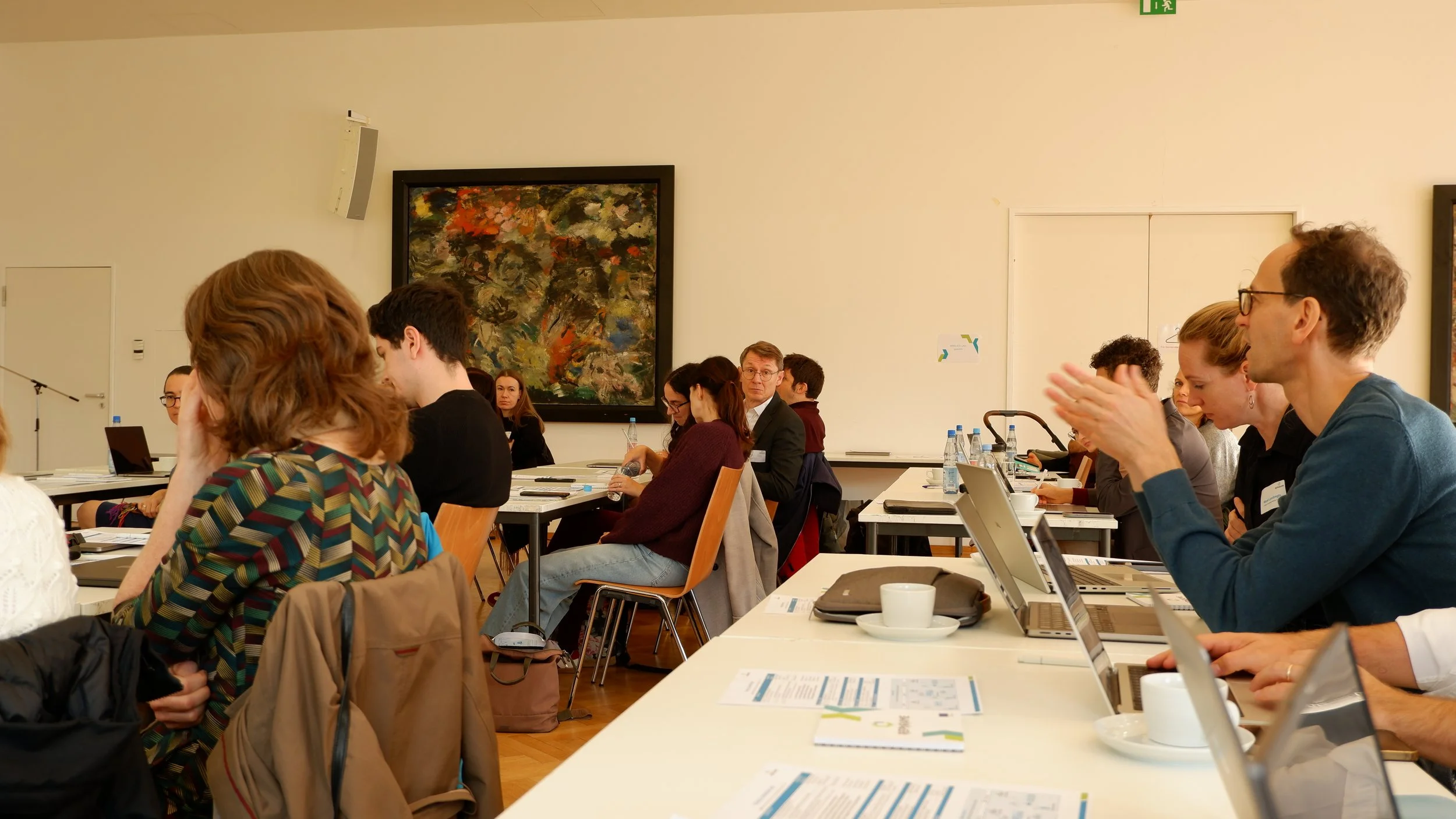
Between 2 and 3 November 2026, the REPhRAME kick-off meeting was hosted by the project coordinator, Goethe University Frankfurt, at its scenic university campus. The university setting positively contributed to the two-day meeting, during which the partners took part in scientific discussions and planning of their work, aimed at developing new strategies for recurrent urinary tract infections.
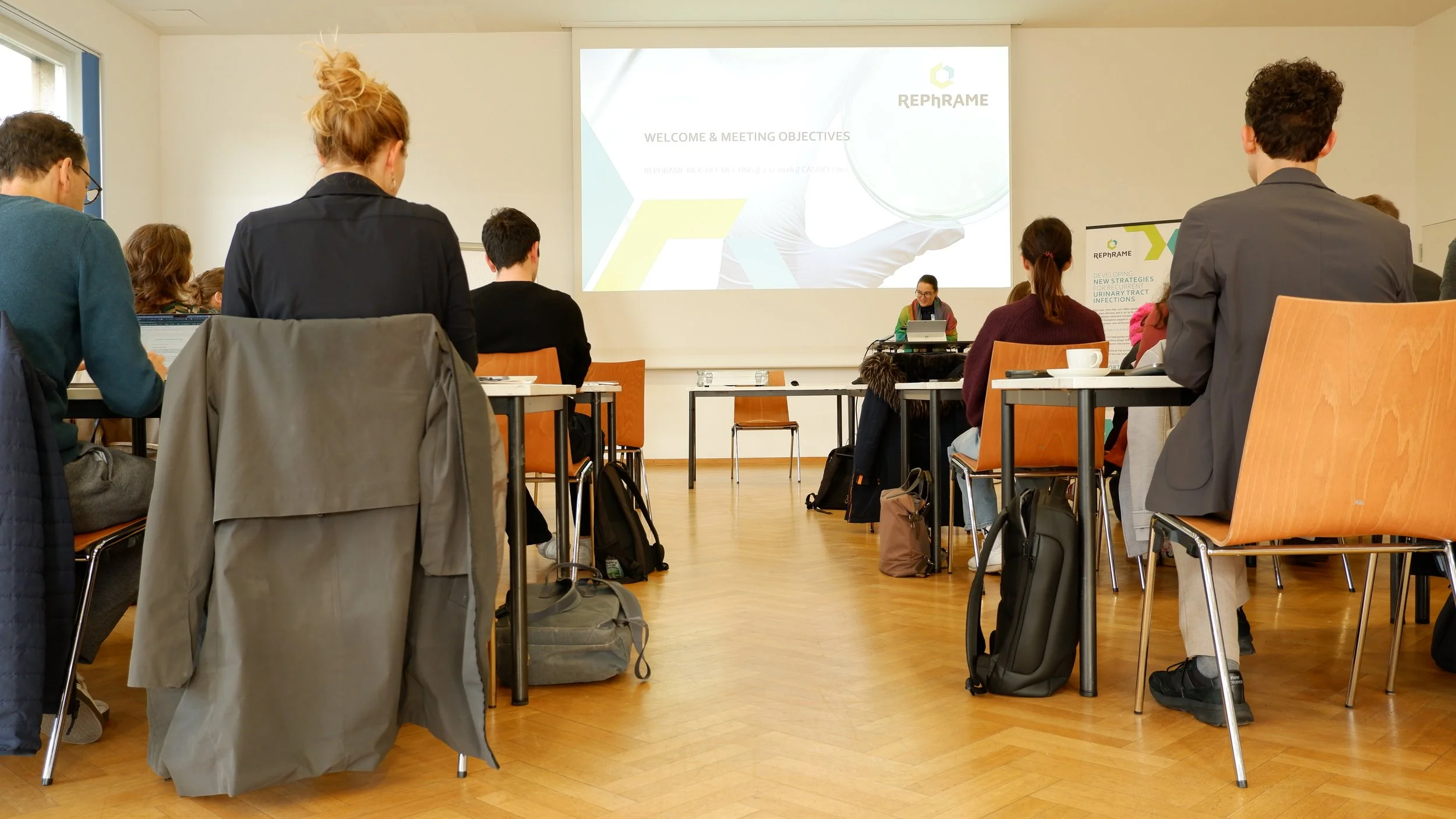
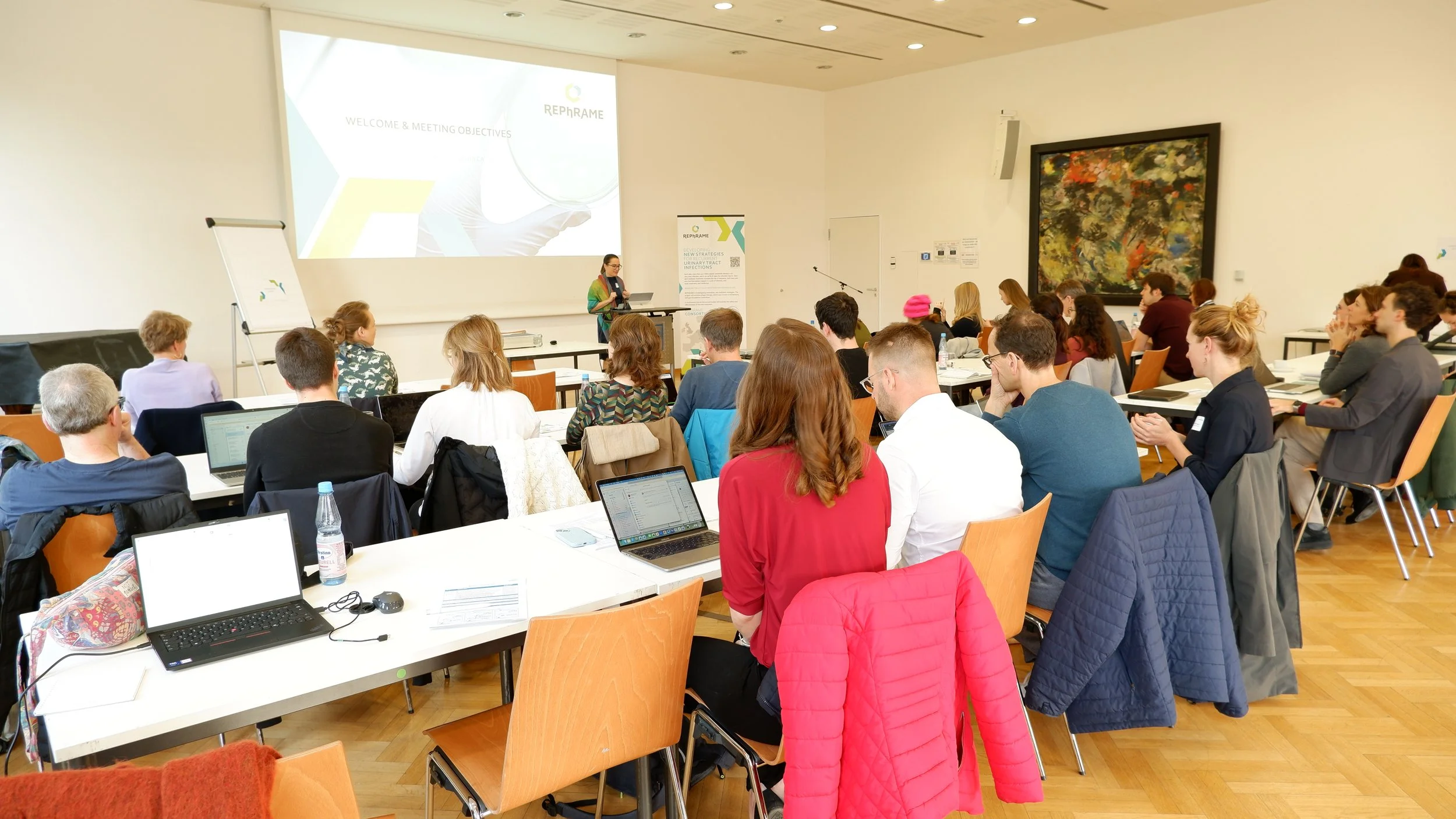
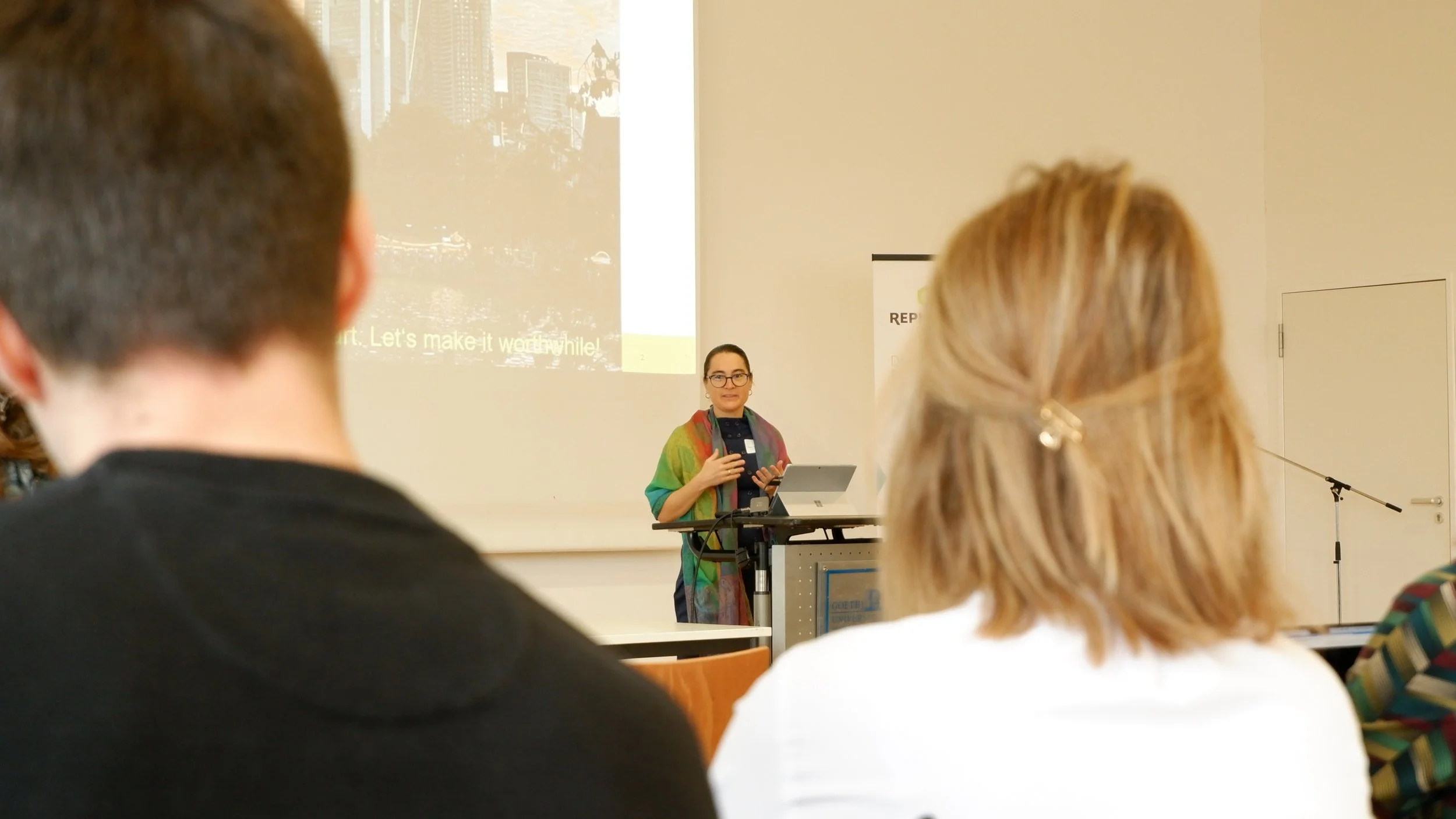
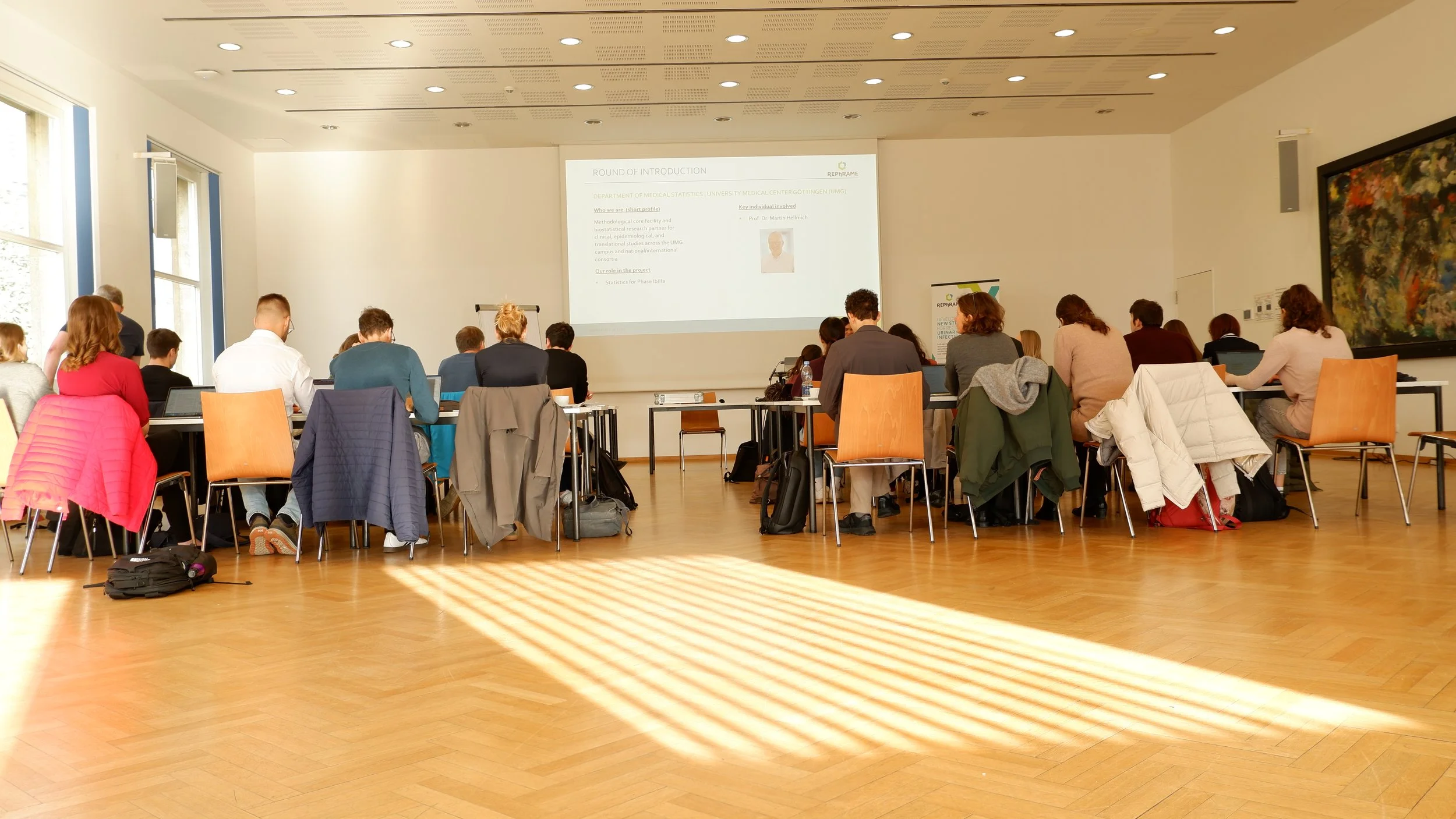
REPhRAME partners at the kick-off meeting, during a welcome presentation by the scientific coordinator, Maria Vehreschild.
To launch the meeting, thematic leads presented each of their groups’ work, showcasing the various aspects of the project, from a clinical trial of a novel two-component treatment strategy at the start of the project to eventual regulatory and market implementation work.
Recurrent UTIs affect millions of people every year and have a high impact on quality of life, resulting in a large patient group who are keen to learn about this research, how they could take part, and the potential positive effects on their lives. Patient engagement will therefore be key to the project, and partners discussed ways to embed and value patient perspectives within the trial design. Collaboration with the patient advocacy group Live UTI Free is also planned to ensure that patient needs, experiences, and priorities are embedded throughout.
Another aspect that will be key to the project's success is regulatory. Phage therapy in the EU is currently provided only on a case-by-case basis, and researchers aiming to generate clinical evidence that would help integrate this treatment into clinical practice must collaborate closely with regulatory bodies. At the beginning of the project, the partners reached out to the European Medicines Agency, whose experts provided valuable feedback on the clinical trial plans. During the meeting, the agency’s assessment was reviewed, and its implications for the trial were evaluated and translated into an updated trial design. Following in-depth discussions, the partners agreed on the revised timelines, milestones, and other key aspects of the adapted work plans.
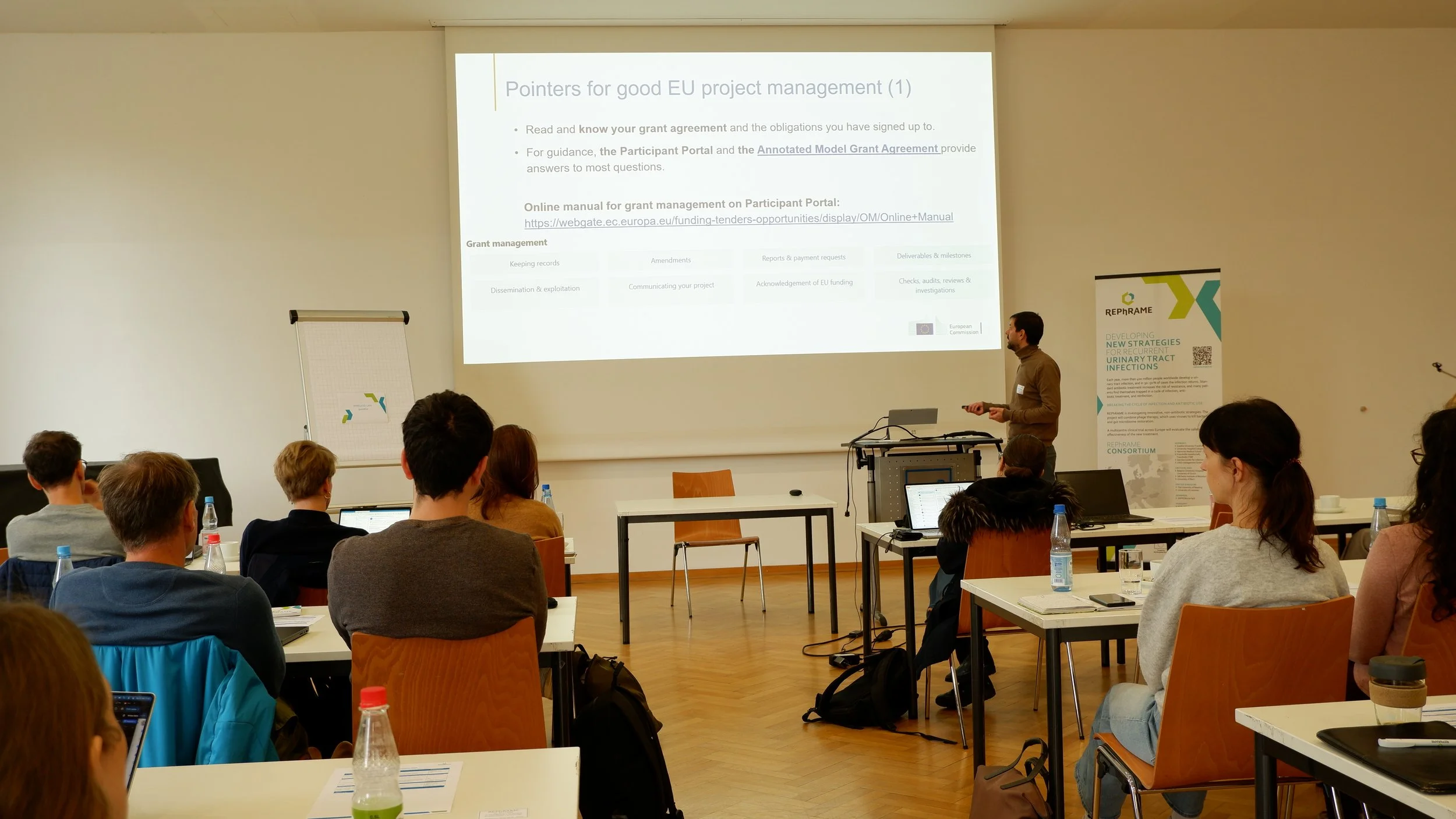
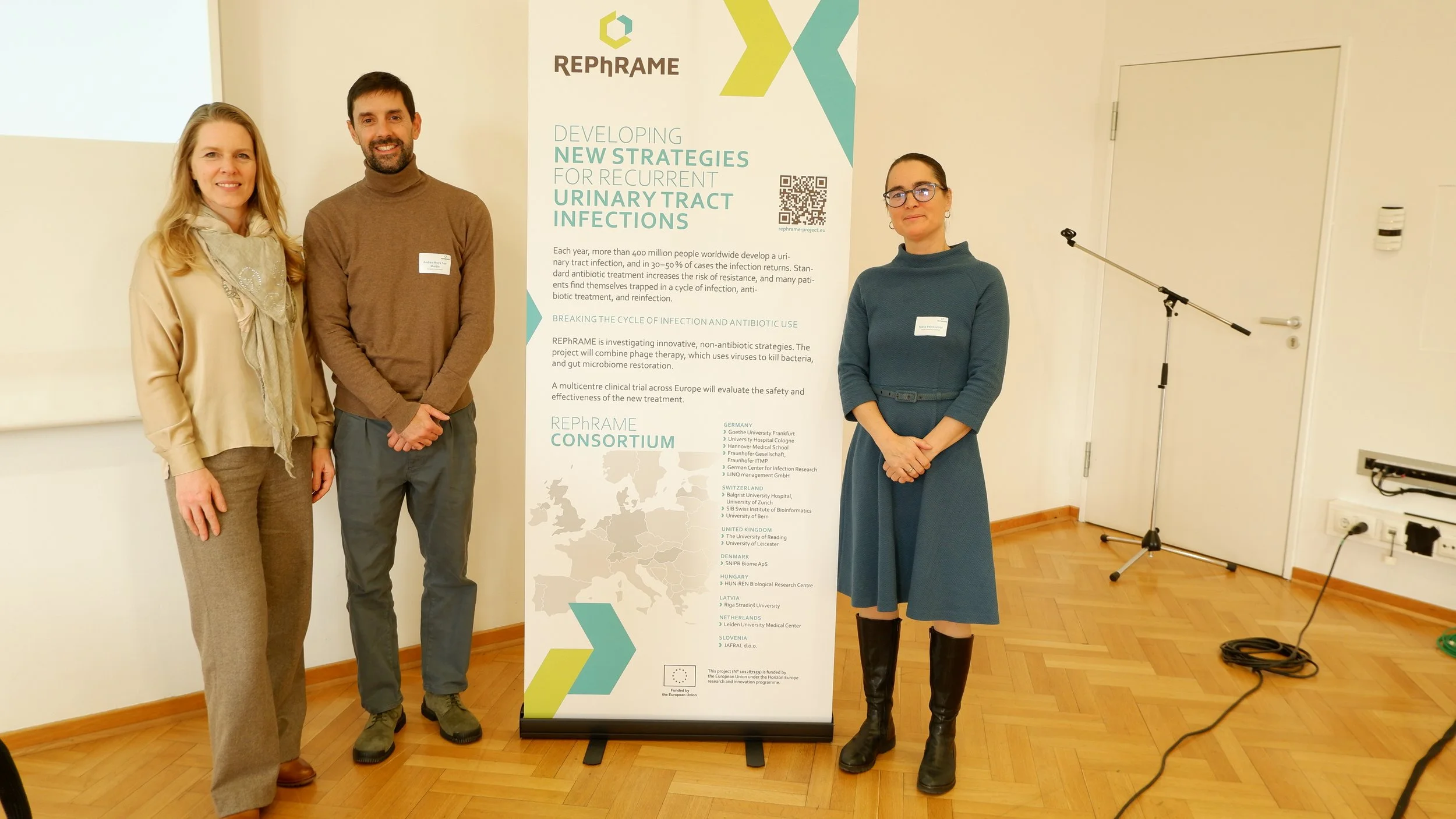
The consortium also welcomed Andrés Moya San Martín, a project and programme manager at the European Commission, who presented the work of the European Health and Digital Executive Agency (HaDEA) and answered participants' questions about the funders’ expectations for project implementation.
The meeting was a valuable opportunity for partners to meet in person for the first time as a consortium, review plans, and set concrete next steps. Participants left the gathering committed to jointly tackle recurrent urinary tract infections and, in doing so, contribute to the fight against antimicrobial resistance.